Preparing to tell someone about your gambling problem: four steps that clear the way
 Save
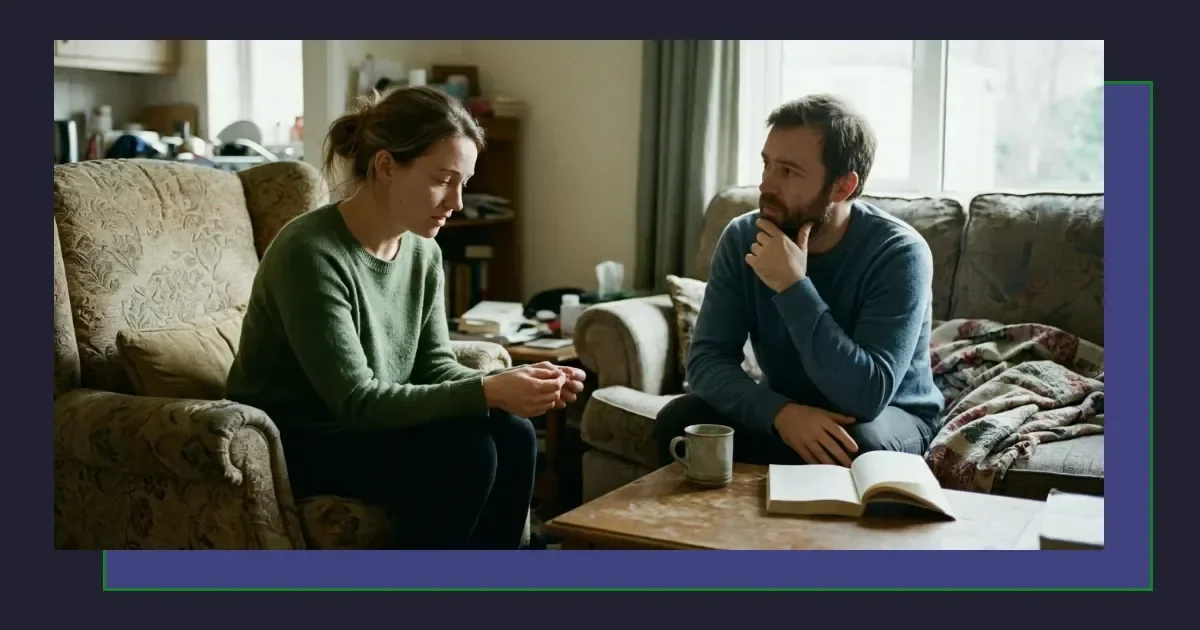
Telling someone you have a gambling problem is one of the hardest conversations you will ever start, and one of the most important. The fear of judgement, shame or disappointing someone you care about can keep you silent for months or years. This guide from ABC Vac Sweep walks you through how to prepare for that conversation, choose the right person to tell first, and take the practical steps that make disclosure easier.
Choosing who to tell first
The first person you tell does not have to be your partner or a family member. It should be someone you trust to listen without immediate anger or panic, and someone whose reaction will not make your situation worse in the next few days.
A close friend outside your household can be a good choice. They have emotional distance from the financial harm and can offer support without the raw shock a partner might feel. Some people find it easier to tell a sibling or a parent first, particularly if that person has faced their own difficulties and shown understanding before.
If no one in your immediate circle feels safe, a trained counsellor at an organisation such as GamCare (National Gambling Helpline: 0808 8020 133, available every day) can be the first person you speak to. That call is confidential, and it counts as telling someone. Sometimes rehearsing the words with a stranger makes the next conversation less frightening.
Writing down what you want to say
You do not need a script, but writing a few sentences beforehand helps you stay focused when emotion rises. Note the core facts: that you have been gambling, that it has caused harm, and that you need support to stop.
Include one or two concrete details that show the scale without overwhelming the listener. If debts have built up, name the rough total. If you have used money meant for bills or savings, say so. Avoid minimising the problem or burying the main point in apologies.
Keep the note with you when you have the conversation. If your mind goes blank or the other person interrupts, you can glance at it and stay on course.
Picking the right time and place
Choose a moment when the other person is calm and you have privacy. Avoid times when they are stressed, tired or rushing to leave. A weekend morning or an evening when you are both at home and free of immediate obligations works better than a snatched conversation in a car or late at night.
Find somewhere quiet where you will not be interrupted. If you live together, wait until children are asleep or out. If you are meeting someone outside the home, pick a neutral place where you both feel comfortable and can speak openly without being overheard.
Set aside enough time. This is not a conversation you can finish in ten minutes. The other person will have questions, and you may need space to explain without feeling rushed.
Acknowledging the harm and asking for what you need
The person you tell will want to know how this affects them. Be honest about the financial impact, the lies you may have told to cover the gambling, and the trust that has been damaged. Acknowledging harm does not mean accepting blame for everything that follows, but it does mean recognising that your actions have consequences for others.
After explaining what has happened, tell them what you need. That might be help finding a debt adviser, support attending a self-exclusion appointment, or simply someone to check in with you each day. Practical requests give the other person a way to help and shift the conversation from shock towards action.
If you cannot pay your bills as a result of gambling, say so and ask for help making a plan. If the problem has led to mortgage difficulties, bring that into the conversation early so they understand the urgency.
Expecting a range of reactions
The person you tell may respond with relief, anger, sadness or disbelief. Some people need time to process the information before they can offer support. Others will ask difficult questions about money, trust or what happens next.
You cannot control their reaction, but you can stay present in the conversation. Answer questions as honestly as you can. If you do not know an answer—such as the full extent of the debt or whether you can stop on your own—say so rather than guessing or making promises you might not keep.
Some relationships survive this conversation and grow stronger. Others take months to rebuild. A few do not recover. The outcome depends on many things, not all of them in your hands, but silence guarantees that the harm continues and the isolation deepens.
Steps you can take before and after the conversation
- Contact a national helpline or support service such as GamCare or BeGambleAware (https://www.begambleaware.org) to speak to someone trained in gambling harm before you tell a family member or friend.
- Register with GAMSTOP (https://www.gamstop.co.uk), the free self-exclusion scheme that blocks access to licensed gambling sites across Great Britain, so you can show the person you tell that you have taken a concrete step to stop.
- Gather information about your debts—amounts owed, to whom, and what is urgent—so you can answer questions clearly and work together on a plan.
- Ask for help finding a debt adviser if money problems are part of the harm; free debt advice is available and the person you tell may be willing to attend an appointment with you.
What happens after you tell someone
The conversation does not solve the problem, but it ends the secrecy that makes recovery almost impossible. Once someone else knows, you have a witness to your progress and someone who can step in if you are at risk of gambling again.
In the days that follow, expect a mixture of relief and vulnerability. You may feel exposed or regret speaking. Those feelings are common and they pass. Focus on the practical steps: setting up blocks, attending appointments, and checking in with the person you told.
If the first person you tell reacts badly or cannot offer the support you need, tell someone else. One difficult conversation does not mean you should stop trying. The right support exists, and finding it often means asking more than once.
Comparing ways to start the conversation
| Approach | When it works | When to avoid it |
|---|---|---|
| Direct opening | When the other person is calm and you need to get straight to the point | If the relationship is already fragile or the other person is under immediate stress |
| Asking to talk first | When you need time to settle your nerves and want to signal that the conversation is serious | If waiting will make your anxiety worse or if urgent debts require immediate action |
| Writing a letter | When face-to-face feels too overwhelming or the other person needs time to absorb information before responding | If the relationship requires immediate joint decisions or if a letter might be misunderstood as avoidance |
Finding support after disclosure
Once you have told someone, the next step is connecting with services that understand gambling harm and can offer practical help. GamCare provides counselling and support groups; Gordon Moody (https://www.gordonmoody.org.uk) offers residential and online treatment for people who need more intensive support.
If the gambling has led to debt problems, speaking to a free debt adviser can relieve some of the financial pressure and help you understand your options. Tools such as breathing space or a debt management plan may be available depending on your circumstances.
Blocking software such as Gamban (https://gamban.com, paid subscription) and BetBlocker (https://betblocker.org, free across multiple devices) can prevent access to gambling sites on your phone and computer, reducing the risk of relapse in the weeks after you disclose the problem.
Gambling is restricted to people aged 18 and over. If you share a device with someone younger, parental-control software such as Net Nanny or Qustodio can add another layer of protection.
For free, confidential support at any time, contact the National Gambling Helpline on 0808 8020 133 or visit BeGambleAware at https://www.begambleaware.org.
#Family #Partner #Support services
Download PDF: Preparing to tell someone: your checklist PDF, 30 KB
Further reading
Frequently asked questions
How do you admit you have a gambling problem to your family?
Choose a calm moment when you have privacy and enough time to talk without interruption. Prepare a few sentences covering the core facts—that you have been gambling, that it has caused harm, and that you need their support. Acknowledge the impact on them and ask for specific help, such as finding a debt adviser or attending an appointment with you.
What should you say when confessing gambling debt to a partner?
Be honest about the amount owed, who the debt is with, and how it happened. Bring information with you if possible, so they can see the full picture. Explain what steps you have already taken, such as registering with GAMSTOP or contacting a helpline, and ask for their help making a plan to deal with the debt together.
What happens if the first person you tell reacts badly?
A difficult reaction does not mean you should stop seeking support. Tell someone else—a different family member, a friend, or a trained counsellor at GamCare. The first conversation is the hardest, but finding the right support often means asking more than once.