Understanding Debt Relief Orders: A Route Out When Income Is Low
 Save
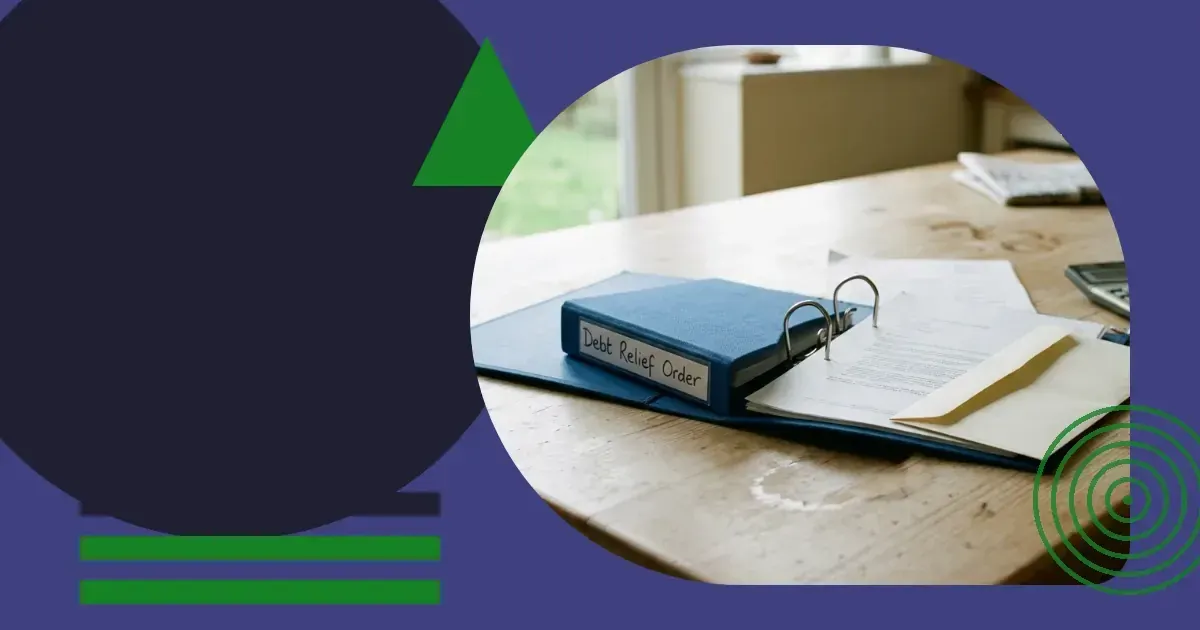
A debt relief order writes off debts you cannot pay when your income is low, you own very little and other solutions are out of reach. It freezes what you owe for twelve months, and if your circumstances have not improved by then, the debts are cleared. This page explains who qualifies, how the process works and what a DRO means for your daily life. ABC Vac Sweep walks you through the practicalities so you know what to expect.
Recognising When a DRO Might Fit Your Situation
A debt relief order is designed for people whose debts feel impossible but whose circumstances rule out other routes. You qualify if your debts total less than a set threshold, your income after essential bills leaves almost nothing spare and you own few assets. The order is not a loan and costs a small application fee, paid to the official receiver.
Three conditions must all be met. Your debts must fall below the qualifying limit, which applies to unsecured borrowing such as credit cards, overdrafts, utility arrears and loans. Your disposable income after rent, food, bills and other priority spending must be below a separate threshold. And the value of what you own, excluding basic household items and a modest vehicle if you need one for work or disability, must stay under a third limit.
A DRO covers most unsecured debts but not everything. It does not include student loans, court fines, maintenance payments or debts built through fraud. Secured debts such as a mortgage stay outside the order, though falling behind on rent or mortgage payments may create arrears that do qualify.
Applying for a Debt Relief Order
You cannot apply directly to the official receiver. The application goes through an approved intermediary, usually a debt adviser at a charity such as Citizens Advice or StepChange. The intermediary checks your figures, confirms you meet the qualifying conditions and submits the application on your behalf.
Gather your paperwork before the first conversation. You will need a list of every debt with account numbers and amounts, recent bank statements, proof of income such as payslips or benefit letters, and details of what you own. The intermediary walks you through the form, checks the facts and sends the application to the Insolvency Service. Once the official receiver approves it, the DRO takes effect immediately.
The application fee is payable when you apply. Some charities offer ways to pay it in instalments over a few months before submission if you cannot find the full amount at once. Your intermediary will explain what is possible.
What Happens During the Twelve Months
From the day your debt relief order is approved, creditors cannot contact you about the debts it covers, add interest or charges, or take you to court. Direct debits and standing orders for those debts should be cancelled straight away so no further payments leave your account. The debts are frozen, not cleared yet, and the twelve-month period begins.
Your day-to-day banking continues as before. You keep your bank account, debit card and any benefits. A DRO does not stop you working, claiming Universal Credit or receiving wages. What changes is access to new credit: you cannot borrow more than a small amount without telling the lender about the order, and most mainstream lenders will refuse.
Three things can end a DRO early. If your income rises by more than a set amount above the threshold, your circumstances improve enough to make other solutions viable or the official receiver discovers you left out a debt or asset, the order may be revoked. If that happens, the debts return and creditors can pursue them again. Honesty at the application stage prevents this outcome.
Restrictions While the Order Is Active
You cannot act as a director of a company or help manage one without court permission. You cannot obtain credit above a small threshold without disclosing the DRO, which in practice means no loans, credit cards or finance agreements. Renting privately may become harder because some landlords check insolvency records, though social housing and staying where you already live are usually unaffected.
Selling or giving away assets is not allowed without permission from the official receiver. If you receive a windfall such as an inheritance, compensation or a redundancy payment, report it immediately because it may change whether the order can continue.
After the Twelve Months End
If your situation has not improved, the debt relief order becomes final and the covered debts are written off completely. You no longer owe them, creditors cannot chase you and no further payments are due. The weight lifts, and you can start rebuilding without that burden.
The order stays on the public Insolvency Register for three months after it ends and on your credit file for six years from the start date. This affects your ability to borrow during that time. Mortgages, car finance and even mobile phone contracts on credit become harder to obtain, and when credit is offered the rates are higher. The record fades after six years, though how quickly your credit score recovers depends on how you manage money after the DRO.
You are free to open new bank accounts, build savings and plan for the future. Some people find a basic bank account easier to obtain immediately after a DRO because it carries no overdraft and less risk for the bank.
Comparing a DRO to Other Debt Solutions
A debt relief order is one option among several, and the right one depends on your income, debts and assets. The table below shows where a DRO sits alongside other routes.
| Solution | Who It Suits | What Happens to the Debts | Duration |
|---|---|---|---|
| Debt relief order | Very low income, few assets, debts under the threshold | Written off if circumstances stay the same | Twelve months |
| Debt management plan | Some income left after bills, willing to repay | Paid in full over time at reduced monthly amounts | Several years |
| Individual voluntary arrangement | Regular income, debts above DRO limit, homeowner | Portion repaid, remainder written off | Five or six years |
| Bankruptcy | Higher debts, more assets, other routes exhausted | Written off after discharge, assets may be sold | Twelve months, restrictions longer |
A DRO costs less than bankruptcy and suits people whose income leaves no room for repayments. An individual voluntary arrangement requires you to make monthly payments and works better when you have steady income and want to protect a home. You can read more about how an IVA is structured and who it suits to compare it directly.
A debt management plan is informal and does not write off debts, but it gives you breathing room to repay what you owe at a pace you can manage. Breathing Space is a shorter pause of up to sixty days while you arrange a longer-term solution, and it protects you from creditor action during that window.
Steps You Can Take This Week
If a debt relief order sounds like it might fit, these actions move you forward without committing to anything yet.
- List every debt with its current balance. Include credit cards, overdrafts, personal loans, catalogue accounts, payday loans and any arrears on bills. Leave out mortgage balances, secured loans and student loans because they do not count towards the DRO threshold.
- Add up what you own. Write down the rough value of your car if you have one, any savings, investments or valuable items you could sell. Do not count everyday furniture, clothing or a vehicle you need for work or because of disability.
- Work out your monthly income after priority bills. Start with wages, benefits or pension, then subtract rent or mortgage, council tax, utilities, food, travel to work and any other spending you cannot avoid. What remains is your disposable income.
- Contact a debt advice charity. Citizens Advice, StepChange and PayPlan all offer free appointments with approved intermediaries who can check whether you qualify and start the application if a DRO is right. The conversation is confidential and there is no pressure to proceed.
- Pause new borrowing now. Taking on more credit while you consider a DRO can complicate the application and make your situation harder to resolve. Stop using credit cards and overdrafts if you can.
How a DRO Affects People You Live With
A debt relief order covers only your debts, not those of anyone else. If you share a joint account, the other account holder is still responsible for their share of any joint borrowing, and creditors can pursue them for the full amount. Closing joint accounts and opening separate ones before applying protects the other person from complications.
Your partner's income and assets do not count towards your DRO limits unless you own something together. A shared car or joint savings would be included at half their value. A partner's income is not considered when working out your disposable income, only what comes to you directly.
If you rent together, a DRO does not affect the tenancy as long as rent is paid on time. If you have fallen behind, rent arrears can be included in the order, but the landlord can still take action to recover the property if arrears continue to build after the DRO is granted.
Recognising When Debt Is Tied to Gambling
Debts built through gambling carry particular weight because the urge to chase losses or place one more stake can override practical decisions about money. If borrowing has been driven by gambling, addressing the gambling itself is as urgent as sorting the debts. A debt relief order clears what you owe, but without changes to what caused the borrowing, the cycle can return.
Warning signs include borrowing to gamble, using credit to cover losses, lying to people close to you about spending or feeling unable to stop even when money is gone. If any of that sounds familiar, the debts are a symptom of something broader.
Putting Controls in Place
Self-exclusion through GamStop blocks access to all gambling sites licensed in Great Britain for a period you choose, from six months upwards. It removes the option to gamble online during the time you need to step back. Registering takes a few minutes at gamstop.co.uk, and once active it cannot be undone until the period ends.
Blocking software such as Gamban, a paid subscription, or BetBlocker, which is free, adds another layer by preventing access to gambling sites and apps across all your devices. Both work alongside GamStop and cover unlicensed sites that GamStop does not reach.
If gambling has harmed your finances, your relationships or your mental health, speaking to someone who understands helps. GamCare offers free, confidential support at gamcare.org.uk or through the National Gambling Helpline on 0808 8020 133, which is open around the clock. Gordon Moody provides residential and online treatment programmes at gordonmoody.org.uk for people whose gambling has reached a crisis point.
Gambling is for people aged 18+. If you share a device with someone younger, parental-control software such as Net Nanny or Qustodio can block access to gambling content and protect them from exposure.
Download PDF: Preparing for a Debt Relief Order Application PDF, 28 KB
Further reading
Frequently asked questions
How long does a debt relief order last?
A debt relief order lasts for twelve months. If your income and circumstances have not improved during that time, the debts covered by the order are written off completely at the end of the period.
What debts can be included in a DRO?
Most unsecured debts qualify, including credit cards, personal loans, overdrafts, catalogues, payday loans and arrears on rent or utilities. Student loans, court fines, maintenance payments and debts from fraud cannot be included.
Can I open a bank account after a debt relief order?
Yes. You can open new bank accounts once the DRO is approved and after it ends. A basic account with no overdraft is often the easiest to obtain because it carries less risk for the bank.
ABC Vac Sweep Editorial Team